Some puzzles only ask for repetition. The more interesting ones change the question slightly each time, so you have to update your plan instead of repeating the same click pattern.
This article highlights free Playbyt puzzles where the challenge is planning, remembering layouts, or sequencing moves. That is gameplay practice — not a medical, academic, or IQ program.
What these puzzles ask you to do
| In-game demand | Example on Playbyt |
|---|---|
| Plan a few moves ahead | 2Combo, Connect 4, 3D Chess |
| Remember positions or sequences | Gem Memory, Simon Says |
| Track space and orientation | Cube Drop, Immersive MAZE |
| Choose a safe order of steps | Screw Puzzle, ThreadTrap |
| Recover after a mistake | Any short-retry puzzle loop |
Use them for focused play habits if you enjoy that. Do not treat high scores as proof of academic or cognitive improvement.
Planning and foresight puzzles
2Combo
2Combo forces you to protect high-value tiles and avoid filling the board with no merges left. New tiles keep arriving, so one fixed script rarely works for every board.
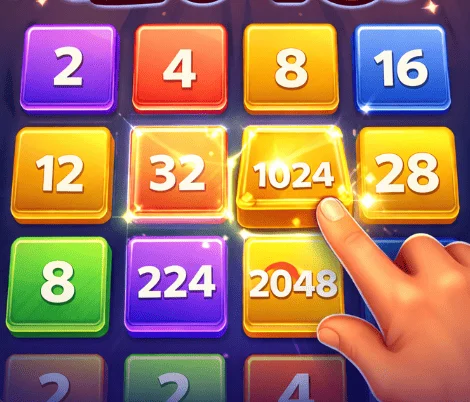
Play focus: looking ahead before each slide.
Practical tip: many players keep their highest tile in one corner and build toward it — test what works for you.
Connect 4
Connect 4 is a compact vertical-connect strategy game. Strong lines often come from setting up more than one threat at once.
Play focus: blocking the opponent while building your own four-in-a-row.
3D Chess
3D Chess on Playbyt includes full rules such as castling, en passant, and promotion, with local two-player or vs-computer modes (not an online ranked ladder in the catalog description).
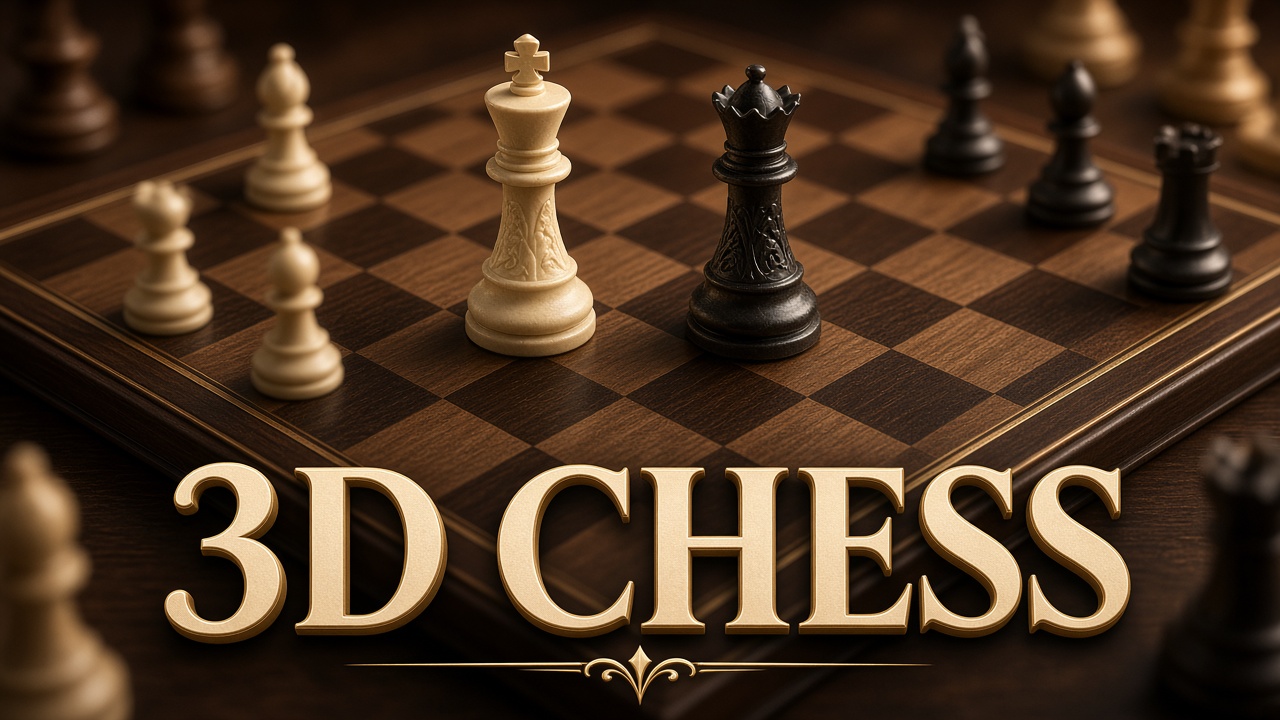
Play focus: slower, turn-based planning compared with arcade puzzles.
Spatial and physics puzzles
Cube Drop
Cube Drop asks you to roll a metallic block across floating marble tiles and drop it upright into the goal. The catalog lists 20 handcrafted levels — orientation mistakes usually mean a restart.
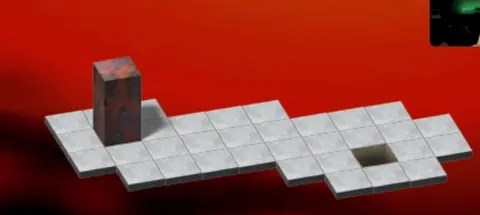
Play focus: preview the next roll before you commit.
Screw Puzzle
Screw Puzzle is about removal order. Unscrew the wrong pin and wooden planks can fall in a way that blocks progress.
Play focus: spot which parts depend on other screws first.
Immersive MAZE
Immersive MAZE is a 3D labyrinth with a countdown timer in the HUD. Dead ends cost time, so random wandering is punished quickly.
Play focus: build a simple route plan instead of rushing every corner.
Labyrinth of Shadows
Labyrinth of Shadows is a first-person horror maze: collect 3 keys, find the exit, and avoid the shadow entity. Skip it if horror themes are not for you.
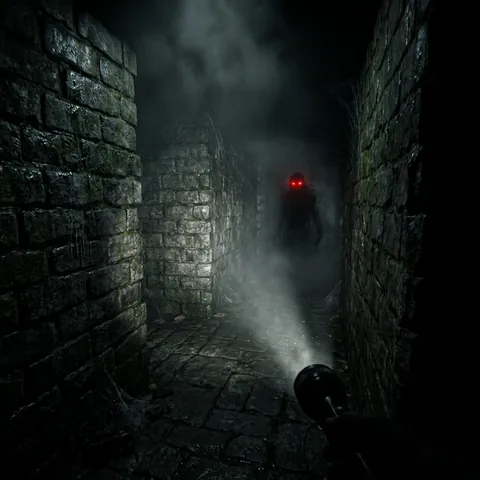
Play focus: route priorities when exploration and threat awareness compete.
Memory and pattern puzzles
Gem Memory
Gem Memory is a gem-matching memory card game. Efficient clears usually come from remembering near-misses instead of re-flipping known mismatches.
Practical tip: quietly label locations (“left-edge emerald”) if that helps you.
Simon Says
simon says repeats color/light sequences that grow longer until you miss a step. It is a straightforward pattern-repeat loop.
ThreadTrap
ThreadTrap asks you to untangle overlapping threads. Fixing one crossing carelessly can create another.
Play focus: look at the full tangle before moving the first node.
A simple weekly practice plan
- Monday: one 2Combo board — focus on corner strategy.
- Wednesday: Cube Drop or Screw Puzzle — focus on “simulate before click.”
- Friday: Gem Memory or Simon Says — focus on calm recall.
- Weekend: a longer chess or maze session for deeper planning.
Short, intentional practice beats marathon sessions where you stop thinking and start clicking.
Habits that transfer beyond the game
- Define the goal before touching controls.
- Identify constraints (blocked paths, limited retries, time).
- Test the smallest useful move, then reassess.
- Review one mistake instead of blaming “bad luck.”
Those habits are useful inside the game loop. Any benefit outside gaming depends on how you practice in real work or study — puzzles alone do not guarantee that transfer.
For lighter entry points, see casual browser games for beginners. For broader free picks, browse the best free online browser games in 2026.
How to review a failed puzzle attempt
After a loss, ask three questions before restarting:
- Where did my plan first become unclear?
- Did I ignore a constraint I had already seen?
- What is one rule I will test on the next attempt?
This mini-review turns entertainment into deliberate practice. It also stops the empty loop of restarting without learning why the previous run failed.
Mixing difficulty without burning out
Alternate hard and easy puzzles. A chess session followed by Gem Memory gives your brain a different load instead of stacking similar fatigue. If you feel yourself clicking faster and thinking less, switch genres or stop for the day. Speed without thought is the opposite of problem-solving practice.
FAQ
Can puzzle games raise IQ?
There is no reliable basis in this article to claim IQ gains. Enjoy puzzles for the challenge they present in the moment.
How long should a practice session be?
A short focused block — for example 15–20 minutes — is enough for most players. Stop when you notice yourself clicking without a plan.
Are horror mazes good for problem-solving?
They add urgency to route choices. That can be engaging for some players and unpleasant for others — choose based on comfort, not “brain training” marketing.
Should I use guides and walkthroughs?
After honest attempts, a hint can unblock you. Looking up every answer removes the part of the challenge many players enjoy.
Conclusion
Free Playbyt puzzles like 2Combo, Cube Drop, ThreadTrap, 3D Chess, and the maze titles reward planning and recovery after mistakes. Play them for clear in-game goals — and keep health or academic claims out of the scoreboard.