Strategy and board games reward planning over twitch reflexes. They also fit browsers unusually well: turns are readable, sessions can pause naturally, and two players can share a link instead of a cardboard box. Here are free Playbyt options that scratch that itch, plus how to practice without turning every match into a lecture.
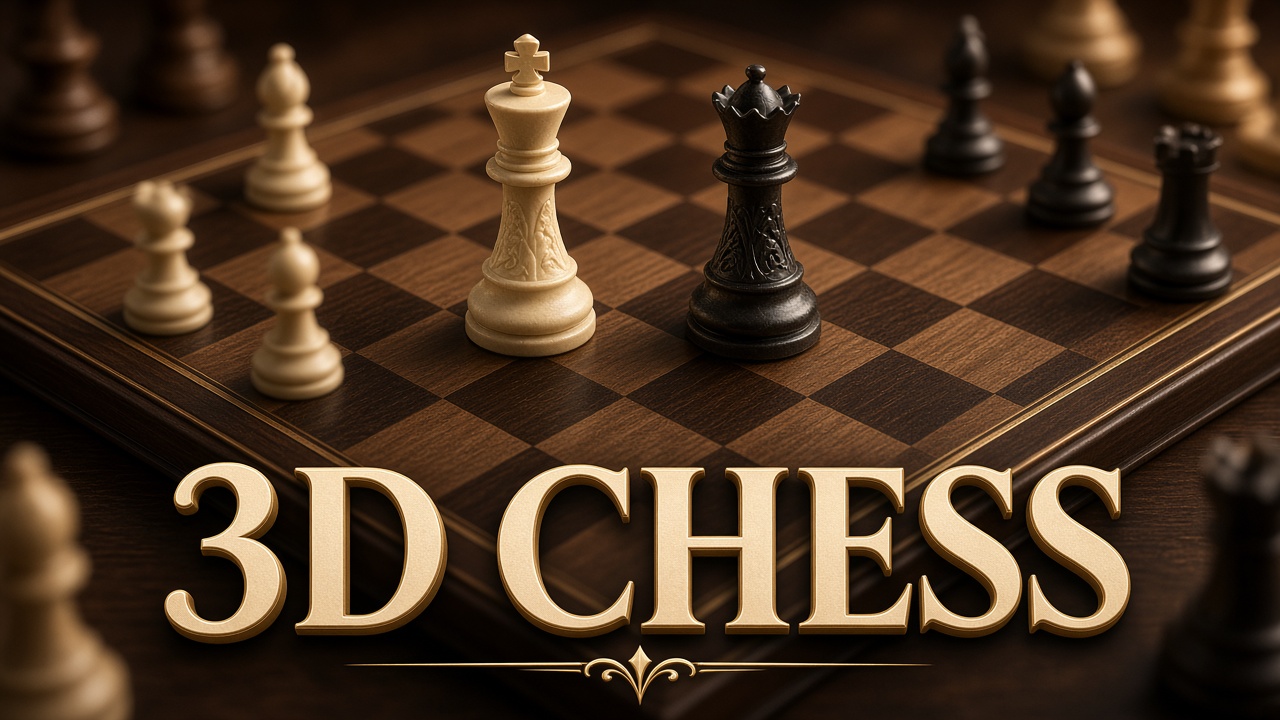
3D Chess — deep rules, flexible opponents
3D Chess supports local two-player or versus-computer play with full classical rules. Use it when you want long-form strategy. Set a personal clock even if the game does not force one — forty thoughtful minutes beats three exhausted blunders.
Connect 4 — compact vertical strategy
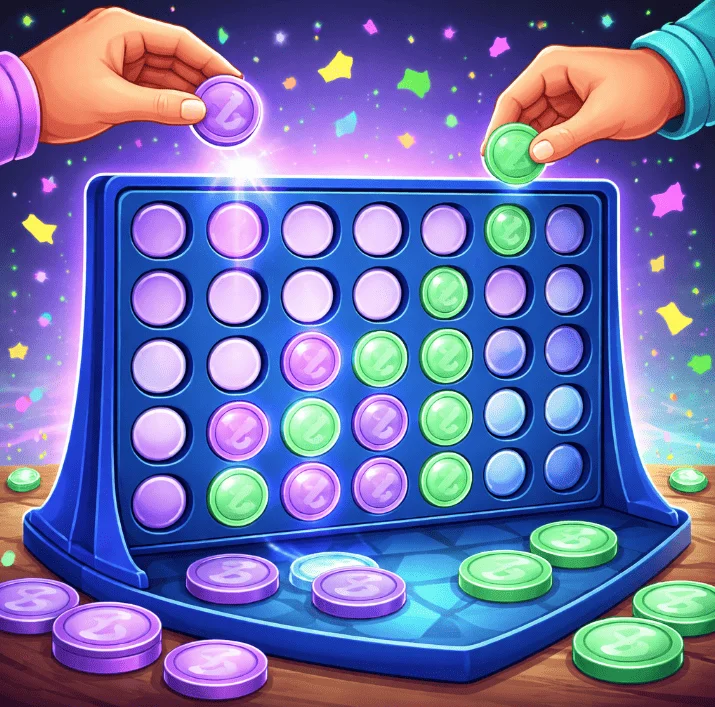
Connect 4 teaches threat creation and blocking in minutes. It is ideal for teaching planning to newer players before moving into denser games.
Practice idea: play a match where you must name your threat out loud before each drop. Slowing down builds board vision.
LeBox — Dots & Boxes online
LeBox is an online Dots & Boxes-style duel: claim lines, close boxes, and manage when to give your opponent openings. Room creation makes it a strong remote strategy pick.
Tic Tac Toe — solved yet still useful
Tic Tac Toe is solved at perfect play, which makes it a teaching tool: pattern recognition, forcing moves, and online room practice with friends. Use it as a warm-up, not as your only strategic diet.
Spatial and planning puzzles as strategy gyms
- Cube Drop — isometric planning and orientation.
- Thread Trap — untangling constraints.
- Screw Puzzle — sequencing removals so structures fall correctly.
- 2Combo — resource and space management on a grid.
- Gem Memory — information tracking across turns.
These are not classical board games, but they train patience and sequencing that transfer to turn-based duels.
How to structure a strategy evening
- Warm up with Connect 4 (10 minutes).
- Play LeBox or Tic Tac Toe online with a friend (20 minutes).
- Finish with one Chess game or a Cube Drop level set (20–40 minutes).
That mix keeps the night from becoming a single exhausting Chess marathon unless you both want that.
Sportsmanship for thinking games
- Allow takebacks only if both players agree before the match.
- Do not rush beginners with heavy sighing; teach one concept per session.
- Review one critical position after the game, not every move.
For broader puzzle recommendations, see free puzzle games. For duel logistics, see two-player browser games.
Opening principles that transfer across boards
- Claim center control or flexible options early when the rules reward it.
- Ask what your opponent threatens before chasing your own plan.
- Prefer moves that create two problems for the opponent at once.
- Do not resign to tilt after one mistake — stabilize first.
These ideas show up in Chess, Connect 4, and Dots & Boxes alike, even though the boards differ.
Solo strategy practice without an opponent
Play versus computer Chess at a level that challenges you without crushing you every game. Alternate with sequencing puzzles like Screw Puzzle or Cube Drop so planning muscles stay warm when no friend is online.
Clock hygiene
Even without a formal timer, set a soft limit per move in casual games so sessions stay friendly. Endless stalling drains social energy faster than losing.
Post-game review in five minutes
After Chess or Connect 4, ask only three questions: Where did I first lose control? Did I notice the threat? What is one rule I will follow next match? Write the rule down. Next session, play that rule even if it feels awkward.
Long analysis can wait for dedicated study. Friend nights need lightweight reviews.
Mixing luck and skill responsibly
Snake Ladder-style luck games belong in the social block, not in the “I must improve” block. Knowing which night you are having prevents unfair frustration.
Browser boards vs physical boards
Physical boards win on tactile feel and living-room presence. Browser boards win on instant setup, distance play, and saving the box from getting lost. Keep both in your life if you can — they solve different evenings.
When you travel, browser Chess or Connect 4 keeps the habit alive without packing pieces. When you are home with guests, a physical board can feel more special. Switching formats is a feature, not indecision.
FAQ
Are browser strategy games serious enough?
They can be. Chess with proper rules is still Chess. The medium does not erase the ruleset.
What if my friend is much stronger?
Use handicaps (extra first moves in Connect 4 variants you invent socially), switch to teaching matches, or pick a new-to-both puzzle game.
Can I play asynchronously?
Many browser duels expect both players present. For true async play you may need platforms built for correspondence — set expectations before you start.
Conclusion
Free browser strategy and board games give you Connect 4 sharpness, Chess depth, LeBox brinkmanship, and puzzle gyms for planning skills. Open a tab, agree on pace, and let thinking — not download progress bars — set the tempo.