Working from home blurs rest and work. A “quick game” can become forty minutes, and then your focus block is gone. Used deliberately, though, short browser games are excellent breaks: they are bounded, enjoyable, and easy to close. This guide is about systems, not excuses.
It differs from our student break guide by focusing on home-office rhythms, calendar blocks, and avoiding multiplayer traps during work hours.
Rules that make game breaks productive
- Set a timer first — five or ten minutes, not “until I win.”
- Pick solo games during work hours so lobbies cannot overrun the break.
- One game tab only — close it when the timer ends.
- No ranked emotional stakes — breaks should lower stress, not spike it.
Best short WFH games (solo-first)
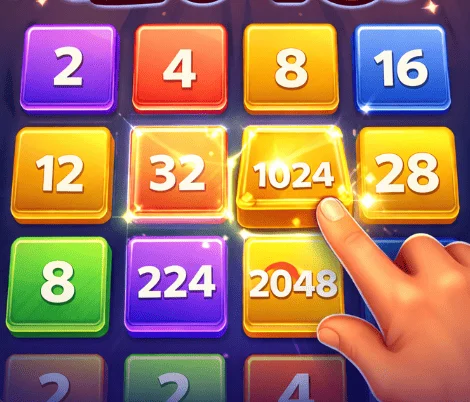
- 2Combo — one board, clear end condition.
- House Tower — rhythmic taps; easy to stop mid-tower mentally even if the run continues visually.
- Gem Memory — calm matching rounds.
- Snake Classic — classic quick-fail loop.
- Ballon Bluster — short accuracy bursts.
- Road Hopper — fast rounds if you accept early exits when the timer rings.
Games to avoid in the middle of deep work
- Open-ended multiplayer lobbies (Smash Karts, Wall Wars 3D) — save for after hours.
- Horror mazes that linger emotionally (Labyrinth of Shadows) — poor fit before a client call.
- Anything you already know triggers “one more match” spirals for you personally.
A Pomodoro-friendly pattern
- 25–50 minutes of focused work with notifications muted.
- 5–10 minute browser game break with the timer visible.
- Stand up, water, stretch once before or after the game.
- Return to the same task file you left — do not open email first if that is your derailer.
If a break game repeatedly overruns, replace games with a walk for a week. Tools should serve the system.
Setup tips that reduce friction
- Bookmark two approved break games only.
- Use a separate browser profile labeled “breaks” if that helps psychologically.
- Keep the work document open behind the game tab so returning is one click.
- If performance is poor, fix it later — do not spend the break troubleshooting. See the lag guide after hours.
Sample midday reset (12 minutes)
- Stand and stretch (2 minutes).
- One 2Combo board or two House Tower attempts (8 minutes).
- Write the next work task in one line (2 minutes).
New to casual titles? Beginner casual picks overlap heavily with good break games. For evenings with friends, switch contexts entirely using the game night guide.
Designing a personal allowlist
Write three games that have never ruined your schedule. Those become the only titles allowed during work hours. Everything else waits for evenings. Revisit the list monthly — honesty matters more than having a long list.
Signals you should skip games today
- You already feel behind on a deadline.
- You are using games to avoid a single hard task repeatedly.
- Yesterday’s “five minutes” became an hour.
On those days, walk, stretch, or make tea instead. The goal is sustainable focus, not a perfect streak of game breaks.
After-work transition
When the workday ends, you can switch contexts: multiplayer, longer races, or game nights. Keeping WFH breaks boringly short makes evening play feel like a reward instead of a blur.
Calendar tactics that actually work
Block break games as calendar events titled “break,” not as invisible gaps. Visibility makes overruns obvious. If you share calendars with teammates, vague “break” labels are enough — you do not need to advertise the game list.
Pair the hardest work block of the day with a non-game break afterward if games tend to steal momentum from tough tasks.
Example allowlist
A practical allowlist might be 2Combo, Gem Memory, and House Tower. Everything louder waits until after the last work block. If a new game earns a spot, retire an old one so the list stays short enough to respect.
Revisit the allowlist whenever your job intensity changes. Deadline weeks deserve quieter breaks. Light weeks can tolerate a slightly longer casual run — still timed, still solo, still closed when the alarm rings.
FAQ
Is gaming during work unprofessional?
Intentional short breaks can support focus. Secret three-hour sessions during billed time are a different ethical issue — know your workplace expectations.
What if I cannot stop at the timer?
Choose games with natural endings, put the device further away after the break, or use non-game breaks until discipline returns.
Are word games good breaks?
Yes for some people. Others find them too mentally similar to work. Test Hangman only after hours if your job is already language-heavy.
Conclusion
Short browser games help WFH days when they are timed, solo, and pre-chosen. 2Combo, House Tower, Gem Memory, and Snake Classic are strong default tools. Protect the work block, protect the break, and keep multiplayer for when the laptop is no longer a desk.